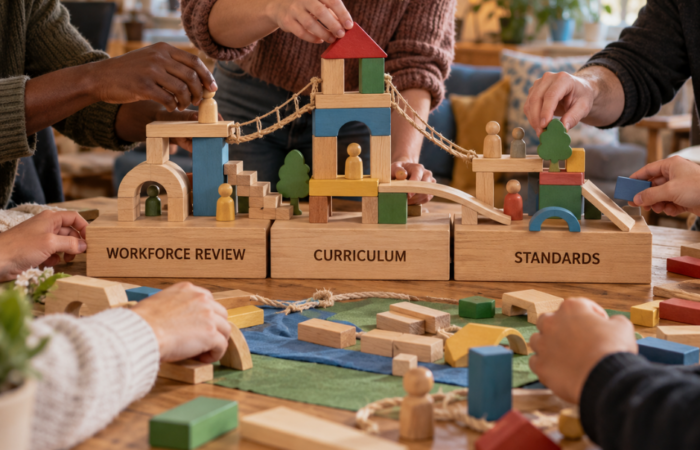
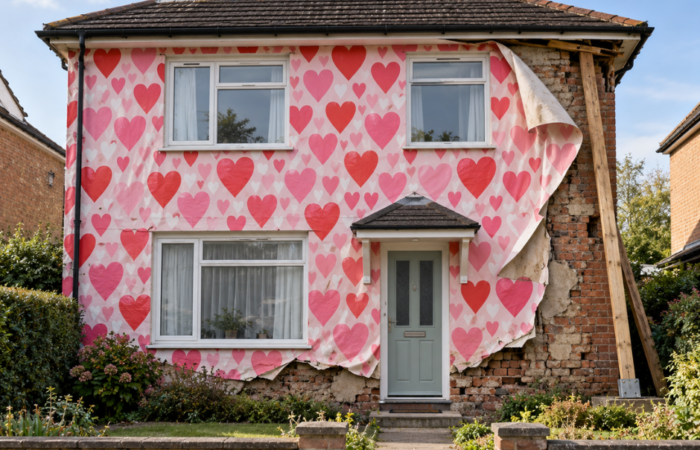
Meet Nell and Arthur – the first 2 characters in the graphic novel coming next…
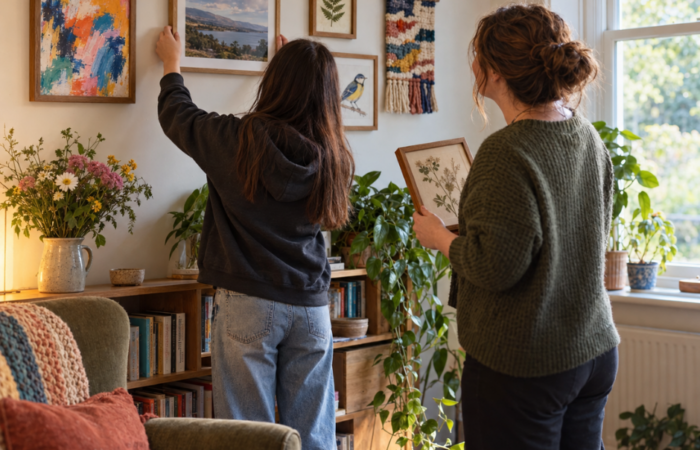
Designing the children’s home with beauty in mind – and on to a design manifesto.
Following on from a previous blog ‘Designing the children’s home – people: place: purpose’ we want to offer an opportunity to consider something rarely included in residential child care thinking – beauty.
In the previous blog we reflected on ideas of Francine Houben’s framework offering something rare in the thinking about children’s residential care: a way of talking about architecture as pedagogy.
Many discussions about children’s homes focus on:
- regulations,
- staffing,
- safeguarding,
- therapeutic models.
All important, of course.
But People, Place, Purpose reminds us that the building itself is an active participant in care.
There is a compelling connection
| Houben | Children’s Home |
| People | Relationships |
| Place | Belonging |
| Purpose | Development |
| Beauty | Dignity |
| Participation | Democracy |
| Adaptability | Growth |
There is another potential in our previous blog on design we want to amplify.
The inclusion of beauty in a children’s home is particularly important.
Beauty is not a luxury. We can find beauty everywhere, and bring it into the home. It requires we make space for it in our thinking rather than squash or squeeze it with thoughts of being affordable. Beauty is freely available in a multitude of forms and ways.
A child unconsciously learns from their surroundings: Beauty communicates value.
“Someone thought carefully about the light, materials, garden, colours and spaces because people like me matter.”
This is aesthetics, and it is a learning from experience pedagogy.
A design manifesto for a cooperative children’s home inspired by Houben might have six principles:
- Every child deserves beauty
Beauty is not decoration. It is an expression of worth.
- Every child deserves a place
The home should belong to its neighbourhood and the child should belong to both.
- Every child deserves participation
Children help shape the spaces they inhabit.
- Every child deserves choice
The environment should offer different settings for solitude, friendship, creativity and play.
- Every child deserves continuity
Materials, landscape and memories should help create attachment to place.
- Every child deserves purpose
The home should support contribution, learning and citizenship, not simply residence.
Children’s homes can be designed as places where children can build a life.
That thinking can completely change the design brief.
Related Posts