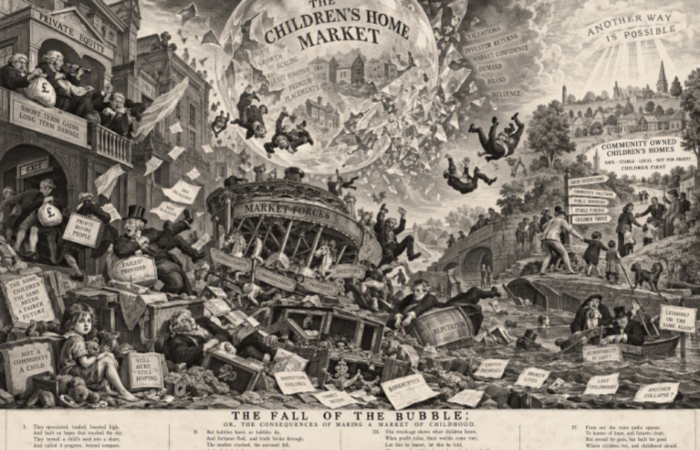
...accepting we, still, don’t know as much as we think we do accept that we,…
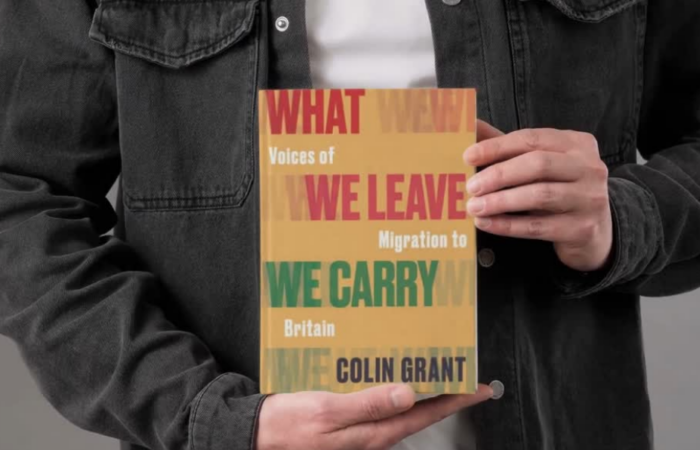
We are looking forwards to reading Colin Grant’s new book, What we leave we carry
It is not about children in care but its messages give us things to reflect upon when thinking about making any placement for a child
These words taken from a key line explicitly framing the central question(s) of the book:
What will they leave behind when they move to a new place, and what do they carry with them, physically and emotionally?
What we leave behind
The book gathers “foundational tales of arriving in a new land” along with “rarely spoken stories of love and loss”. Across these stories, the things people leave behind include:
- Homes and homelands — the physical places that shaped them.
- Family, community, and familiar social worlds — often left with grief or longing.
- Certainties and identities — the sense of who they were in the place they came from.
- Languages, customs, and cultural rhythms — sometimes partially, sometimes entirely.
These losses are not always spoken aloud, which is why Grant emphasises “rarely spoken stories” of what migration (isn’t this sometimes what we actually do for children in care when placing them at distance? isn’t it migration?) costs emotionally.
What we carry with us
Highlighted are things that migrants carry, “physically and emotionally, wherever we land”. From the descriptions of the book, these include:
- Memories of home — both comforting and painful.
- Emotional burdens — grief, hope, fear, resilience.
- Skills, professions, and personal histories — the book includes a Czech‑Roma lawyer, Iranian taxi driver, Sierra Leonean actor, and Romanian police officer.
- Cultural identity — which may shift, stretch, or harden in a new environment.
- Questions of belonging — the book “asks questions about assimilation, identity, belonging, and the cost of migration” in modern Britain.
Grant’s work shows that what people carry is not just luggage but stories, traumas, hopes, and the ongoing negotiation of who they are becoming.
The deeper point
Grant’s project— there’s a book and a podcast—suggests that migration is never a clean break. It is a braiding of:
- what must be left,
- what cannot be left,
- and what unexpectedly follows us.
It’s an emotional archaeology: each person’s story reveals layers of loss, continuity, and reinvention.
Related Posts